
If you have spent any time in the UK electrical industry, you will know that the goalposts are always moving. It is not just about being able to wire a socket or install a consumer unit anymore; it is about understanding the complex framework that keeps people safe. The BS 7671 IET Wiring Regulations, commonly known as the 18th Edition, represent the definitive standard for electrical installations in the UK. Since its initial release in 2018 and the subsequent amendments, it has fundamentally changed how electricians approach their daily work.
For many, the transition to these standards felt like a massive hurdle. However, once you look past the technical jargon, the 18th Edition is actually designed to bring the UK in line with international standards while addressing the rapid rise of new technologies like electric vehicle charging points and solar power. It is no longer enough to rely on what you learned ten or twenty years ago. The industry has moved on, and staying current is the only way to ensure your work is both legal and safe.

Why the 18th Edition is essential for your career
Staying compliant with the latest regulations is not just a matter of professional pride; it is a requirement for anyone wanting to work on domestic, commercial, or industrial installations. Most major contractors and schemes like NICEIC or NAPIT will not even look at your application if you do not have the up-to-date qualification. It serves as a badge of competence that tells clients and employers that you understand the latest safety protocols.
The regulations are designed to protect against fire, electric shock, and even the less obvious risks like thermal effects. When you consider how much more electrical equipment the average household uses today compared to a decade ago, the need for more robust standards becomes clear. By mastering the 18th Edition, you are essentially future-proofing your career against the changing landscape of the energy sector.
Key areas covered by the regulations
- Protection against electric shock and thermal effects.
- Selection and erection of wiring systems.
- Inspection, testing, and periodic reporting.
- Special installations or locations such as bathrooms and swimming pools.
- Energy efficiency and prosumer electrical installations.
The impact of Amendment 2
Just when everyone felt they had mastered the initial 18th Edition, Amendment 2 arrived in 2022, bringing some of the most significant changes we have seen in years. This update focused heavily on safety technology that was previously seen as optional or only recommended in specific circumstances. One of the biggest talking points was the increased requirement for Arc Fault Detection Devices (AFDDs). These devices are now mandatory in certain types of high-risk buildings, such as purpose-built student accommodation and care homes.
Another major shift involved Surge Protection Devices (SPDs). In previous versions, there was often a bit of wiggle room based on a risk assessment. Now, the requirements are much stricter, reflecting the fact that modern electronics are incredibly sensitive to overvoltages. Whether it is a high-end gaming PC or the control board for a heat pump, the cost of failure is high, making surge protection a logical standard rather than a luxury add-on.
Specific changes to look out for
- Mandatory use of AFDDs in higher-risk residential buildings.
- Updated requirements for the documentation provided to the person ordering the work.
- New definitions for ‘competent persons’ and ‘instructed persons’.
- Changes to the way we calculate and apply surge protection requirements.
- A brand new chapter on Prosumer Electrical Installations (PEIs).
How to prepare for the 18th Edition exam
The thought of sitting a two-hour exam can be daunting, especially if you have been out of the classroom for a long time. The City & Guilds 2382-22 is the standard qualification, and it is an open-book exam. This means you do not have to memorise every single regulation word-for-word, but you do need to know exactly where to find the information quickly. Speed and familiarity with the book are your best friends on the day.
Many professionals choose to take a formal training course to get up to speed. These courses are designed to help you navigate the ‘Big Blue Book’ efficiently. If you are looking to get certified, you can find specialised training for the 18th Edition which covers everything from the basic principles to the most complex amendments. These courses often include mock exams, which are invaluable for getting used to the phrasing of the questions and the pressure of the clock.
The rise of the prosumer and energy efficiency
One of the most interesting additions to the 18th Edition is Chapter 8, which deals with Prosumer Electrical Installations. A ‘prosumer’ is someone who both consumes and produces electricity—think of a homeowner with solar panels and a battery storage system. This is a massive growth area in the UK as we move towards net-zero targets. The regulations now provide a framework for how these systems should be integrated into the grid safely.
This shift reflects a broader trend in the electrical industry: the move away from being simple installers to becoming energy consultants. Understanding how to manage local generation, storage, and consumption is a skill that will be in high demand over the next decade. The 18th Edition provides the technical foundation for this transition, ensuring that as we adopt greener technologies, we do not compromise on safety or reliability.
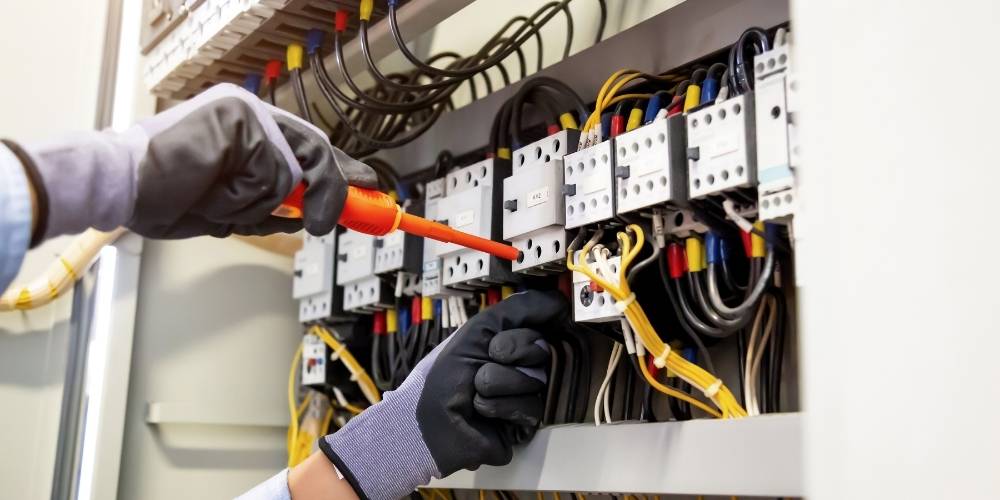
Practical tips for staying compliant
Compliance is not just about passing an exam once every few years; it is about how you conduct yourself on-site every day. One of the best ways to ensure you are always following the 18th Edition is to maintain a rigorous approach to documentation. Every installation should be properly tested and certified, with the correct paperwork handed over to the client. This not only protects the client but also protects you in the event of a dispute or a safety incident.
It is also worth investing in high-quality testing equipment that is regularly calibrated. You cannot accurately verify that an installation meets the 18th Edition standards if your equipment is giving you false readings. Keeping a copy of the latest On-Site Guide in your van is another practical step. It provides a simplified version of the most common regulations and is an excellent quick-reference tool when you are in the middle of a job and need to check a cable size or a disconnection time.
What to keep in your toolkit
- The latest version of BS 7671 (The Brown Book/Amendment 2).
- A current copy of the IET On-Site Guide.
- Calibrated multi-function tester (MFT).
- Checklists for different types of installations to ensure no steps are missed.
- Access to digital certification software for professional reporting.
The landscape of electrical work will continue to evolve as new technologies emerge. By staying committed to the standards set out in the 18th Edition, you ensure that you remain a trusted professional in a high-stakes industry. Whether you are dealing with a simple domestic repair or a complex industrial fit-out, these regulations provide the roadmap for excellence and safety in every wire you pull and every circuit you test.

A fashion journalist known for her trend forecasting and deep dives into seasonal runway analyses. Talia specialises in modern womenswear, sustainable fashion, and high-street vs. haute couture crossovers.